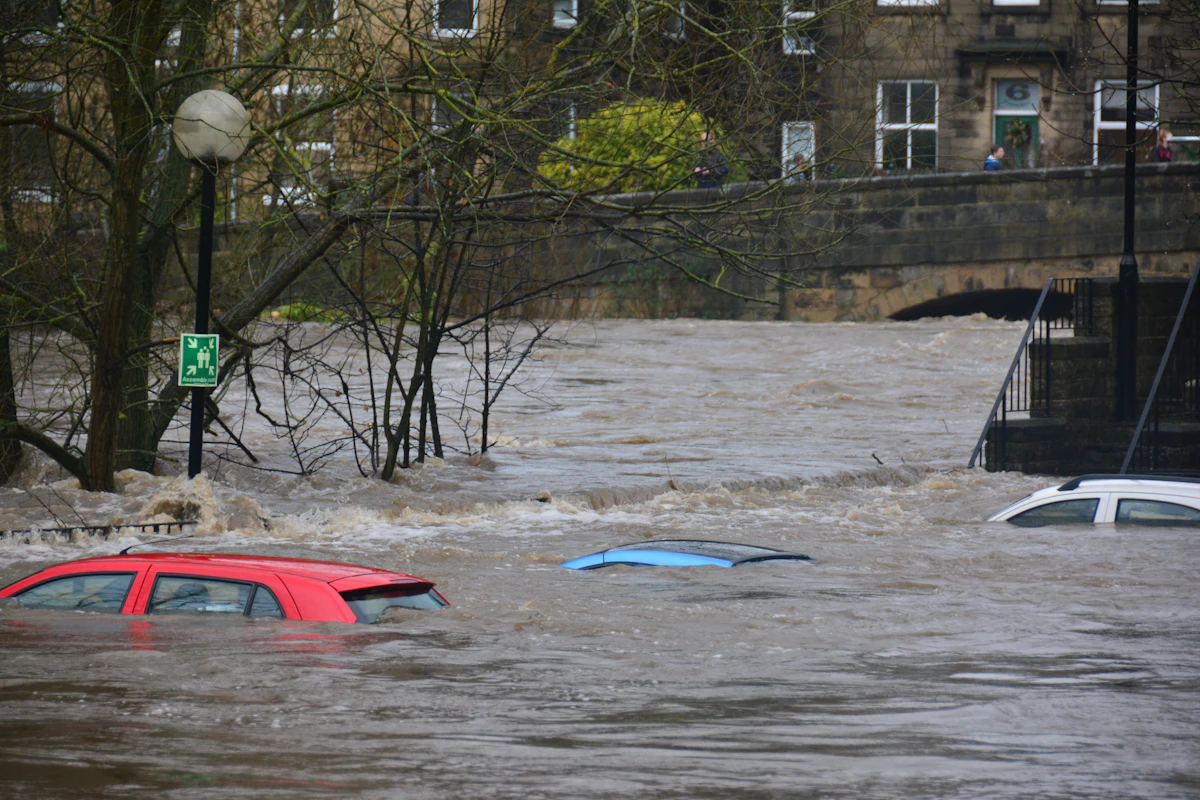
The SBA runs two very different operations that happen to share a logo. One is the pandemic-era machine that handed out money like it was trying to lose a bet, a system so allergic to verification that synthetic identities and shell companies cleared it by the truckload. The other is the disaster loan program, the part of the agency that is supposed to show up after a hurricane or a flood and put a low-interest loan in the hands of a family whose roof is now in the yard. You would assume the second one, the one with real victims and real damage and a genuine reason to exist, would be the one that never runs out of money. You would be assuming wrong.
Because here is what actually happened. The disaster loan fund, the account that disaster survivors draw from, ran out. Not metaphorically, not slowly, but out, with a balance that hit a wall while approved applicants were still waiting for their money to arrive. The agency had to pause new loan offers and tell people who had already cleared the process to sit tight until Congress passed a fresh appropriation. The same institution that found unlimited liquidity for a fraud free-for-all in 2020 discovered, when the customers were storm victims, that the well had a bottom after all.
The Cruelest Word In Government: Approved
Think about what it means to be approved and still get nothing. A disaster survivor does not apply for an SBA loan on a whim. They apply because something catastrophic already happened, because the insurance check did not cover it, because the business that was their entire income is sitting under a foot of water or a collapsed roof. They fill out the paperwork in the worst week of their life, they wait through the inspection, they clear the underwriting, and they finally get the word every disaster victim is praying for. Approved. And then the agency tells them the money is not available, because the fund is empty, and they should wait.
Approved with no money is arguably worse than a denial, because a denial at least lets you move on and chase another option. Approved-but-frozen is a leash. It tells the survivor to stop looking elsewhere, to count on a number that exists only on paper, to plan a repair or a payroll around funds that are stuck in an account with a zero balance. It is the bureaucratic equivalent of a restaurant taking your order, cooking nothing, and asking you to keep sitting at the table because technically you are a customer. The survivor is not in line anymore. They are in limbo, and limbo does not fix a roof.
Where The Money Wasn't
The math of this is what turns it from sad to enraging. The disaster loan program is small and disciplined compared to the pandemic giveaway. It involves inspections, collateral, real underwriting, and repayment, the kind of careful process the agency now claims to love. And it ran out of money. Meanwhile the pandemic programs, the ones with effectively no front-end checking, moved hundreds of billions of dollars, a historic share of which was never going to come back because it went to people who were never entitled to it in the first place.
So the capacity was always there. The country can clearly find enormous sums of money and push them out a federal door in a hurry, because it did exactly that in 2020. The constraint on the disaster fund was never the physics of money. It was a question of urgency, and the urgency simply was not assigned to the disaster survivor. The fraud era proved the agency can open the spigot to a flood when it wants to. The disaster era proved it will let the spigot run dry on the people standing in an actual flood.
The Same Machine, Viewed From The Wreckage
This is the pattern LOLSBA keeps documenting, just seen from a new angle. On the enforcement side the agency refers 562,000 loans worth tens of billions to Treasury for a collection effort that recovers almost nothing, performing toughness on money that is long gone. On the lending side it strands legitimate borrowers, and not for the first time, because even when the disaster fund has cash, approved survivors get stuck waiting on permits and process while the clock runs on their lives. Run dry or jammed up, the result for the real victim is identical: a wall where the help is supposed to be.
The throughline is priorities, not capability. An agency reveals what it values by what it lets run out of money. In 2020 nothing ran out, because speed was the priority and verification was the enemy. In a real disaster season the disaster fund ran out, because refilling it required someone to treat survivors with the same urgency the agency once reserved for shoveling cash at fraudsters. The crackdowns get podiums and press releases. The empty disaster fund gets a quiet note telling approved survivors to wait. One of those is a show, and the other is the actual job, and you can tell which one the agency would rather be caught doing.
The Receipts Keep Piling Up
The disaster fund eventually gets refilled, the way these things always do, after the limbo, after the survivors have spent weeks or months absorbing damage on their own, after the agency has demonstrated one more time that its bottomless capacity is conditional on who is asking. Then the press machine moves on to the next suspension sweep, the next surveillance contract, the next number read from a podium, and the survivors who got approved-but-frozen are not part of that story. They are just expected to be grateful the well filled back up before winter.
That is the joke, and it is not funny if you are the one whose roof is gone. The money was always available. The verification was always possible. The agency simply applied both in the wrong order, at the wrong speed, to the wrong people, every single time. For the full running tally of how an agency this well funded keeps managing to fail the people it exists to serve, the rest of the LOLSBA archive is keeping the receipts.